
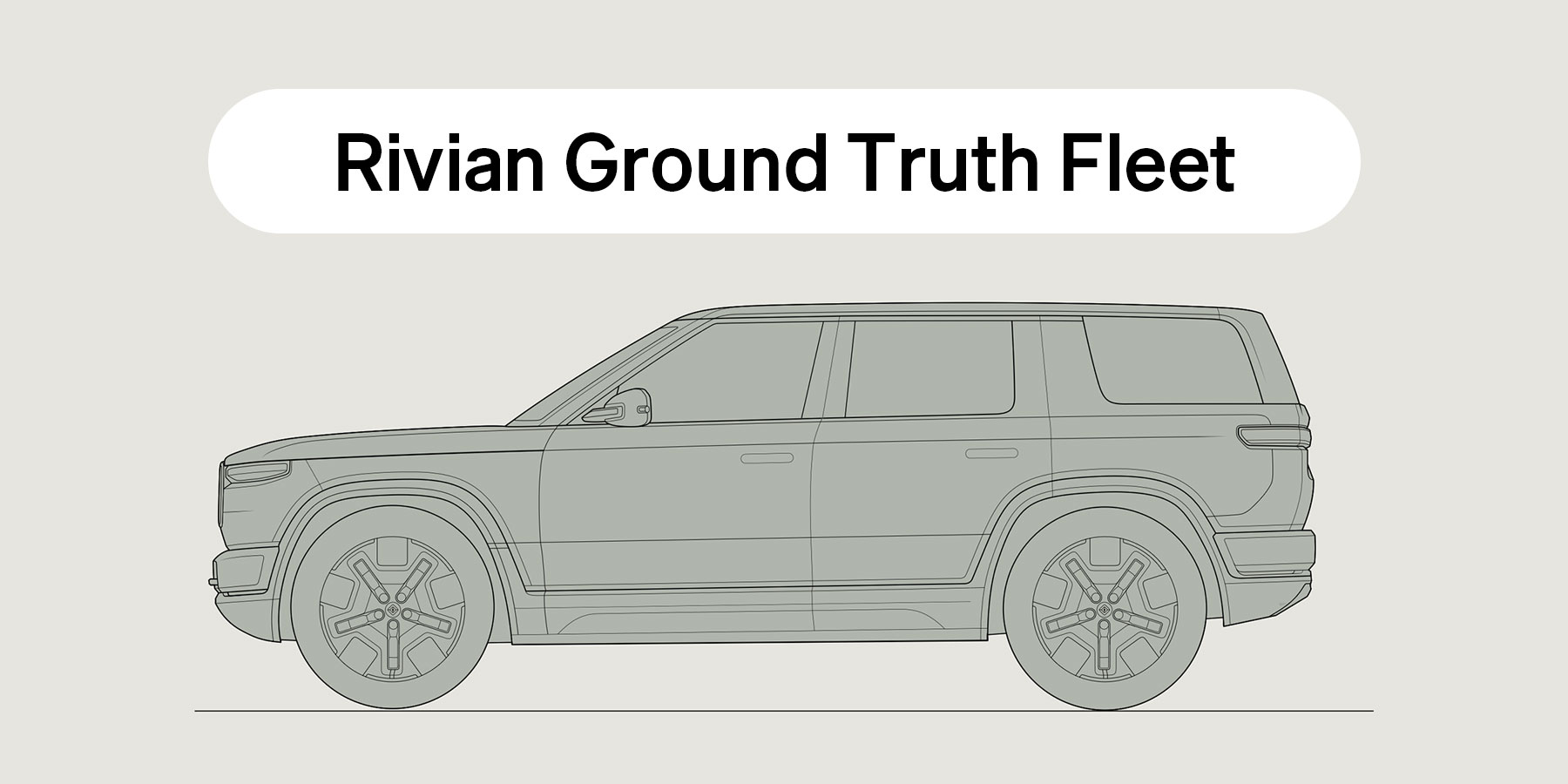
During Rivian’s Autonomy & AI Day, James Philbin dropped one of the most important lines of the entire event, and it was easy to miss. When the Rivian R2 launches with LiDAR, every vehicle on the road becomes a ground truth vehicle. That one statement quietly explains how Rivian plans to scale autonomy far beyond a small internal test fleet.
Ground truth is how autonomy systems learn what actually happened in the real world. It is the reference data that tells the system where objects truly were, how roads were shaped, what was drivable, and what the vehicle should have done. Today, that level of truth usually comes from a limited number of heavily instrumented test vehicles. That works, but it is slow, expensive, and narrow in scope.
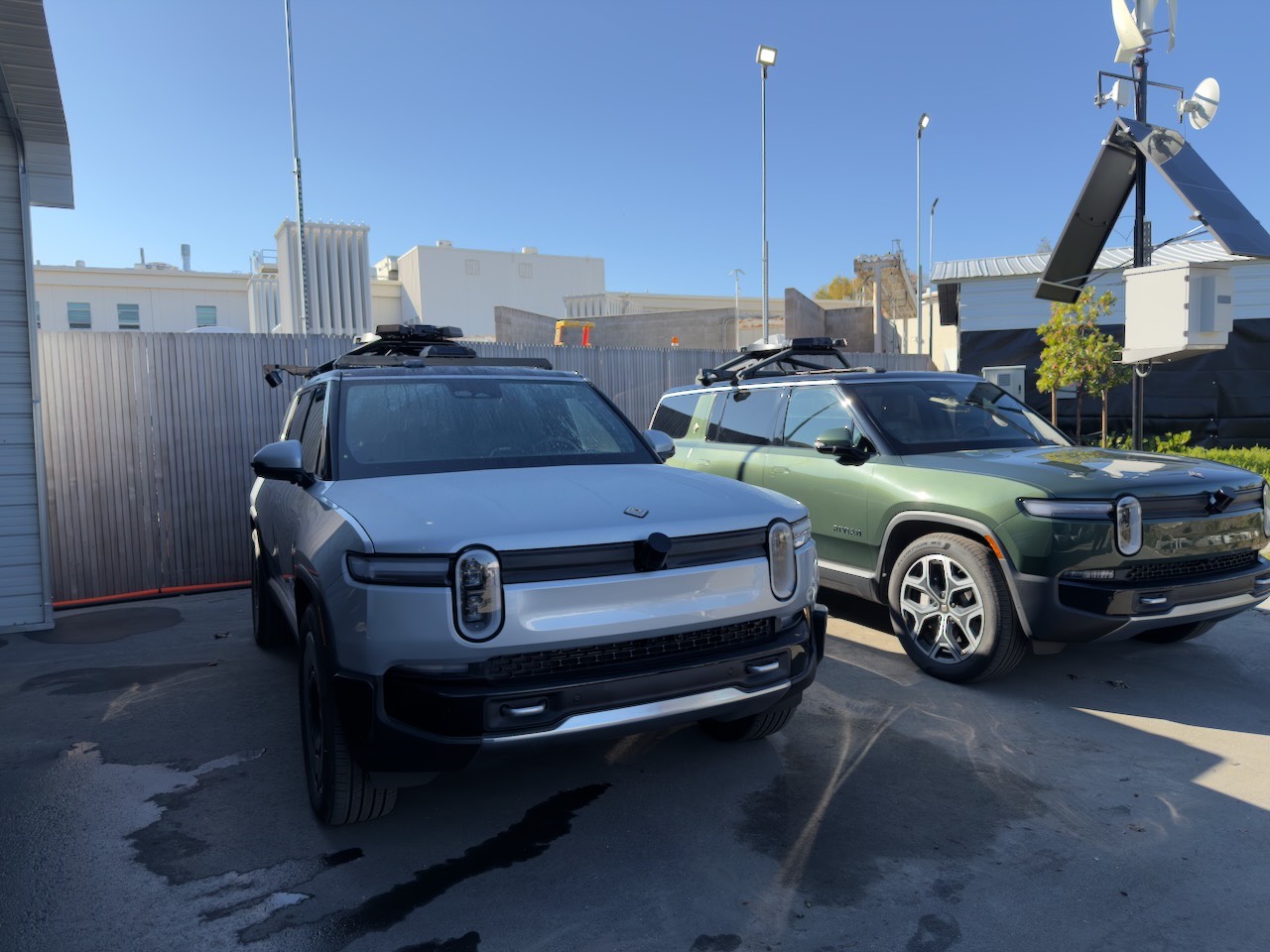
By adding LiDAR to R2, Rivian flips that model. Instead of relying on a handful of research vehicles, thousands of customer-owned R2s can help generate highly accurate 3D ground truth across real roads, real weather, and real edge cases. Construction zones, weird lane markings, glare at sunset, snow, rain, odd merges, all the stuff autonomy struggles with suddenly becomes learnable at scale.
This is especially important for edge cases. Autonomy does not usually fail on obvious scenarios. It fails on rare, messy, hard-to-reproduce situations. Those moments are uncommon per mile, but incredibly common across millions of miles driven by a global fleet. Turning the R2 fleet into a ground truth fleet means Rivian can capture those moments faster, understand them better, and feed them directly back into training.
It also dramatically speeds up Rivian’s learning loop. Drive, find weaknesses, generate ground truth, retrain the model, validate improvements, deploy, repeat. LiDAR gives Rivian a much higher confidence answer to what the system missed and why, which is exactly what you want if your goal is boring, predictable, reliable autonomy.
There is also a big validation advantage here. Training a model is one thing, proving it is safer and more consistent is another. A large ground truth fleet makes it easier to measure real improvements, catch regressions, and build confidence internally and externally as Rivian moves beyond basic hands-free features.
What makes this even smarter is that it benefits Rivian whether or not a driver ever subscribes to an autonomy package. The platform improves, the data gets better, and future updates get stronger because the fleet itself becomes part of the development process.
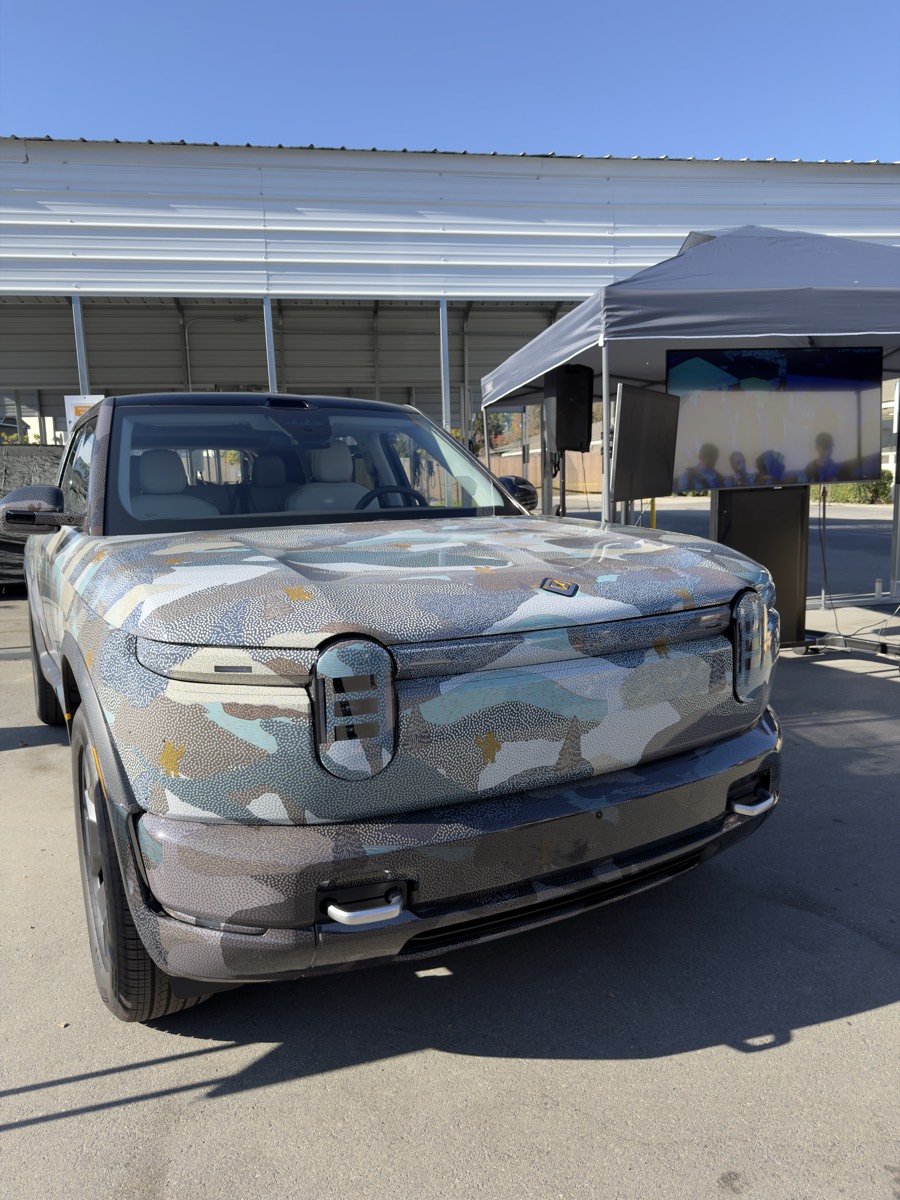
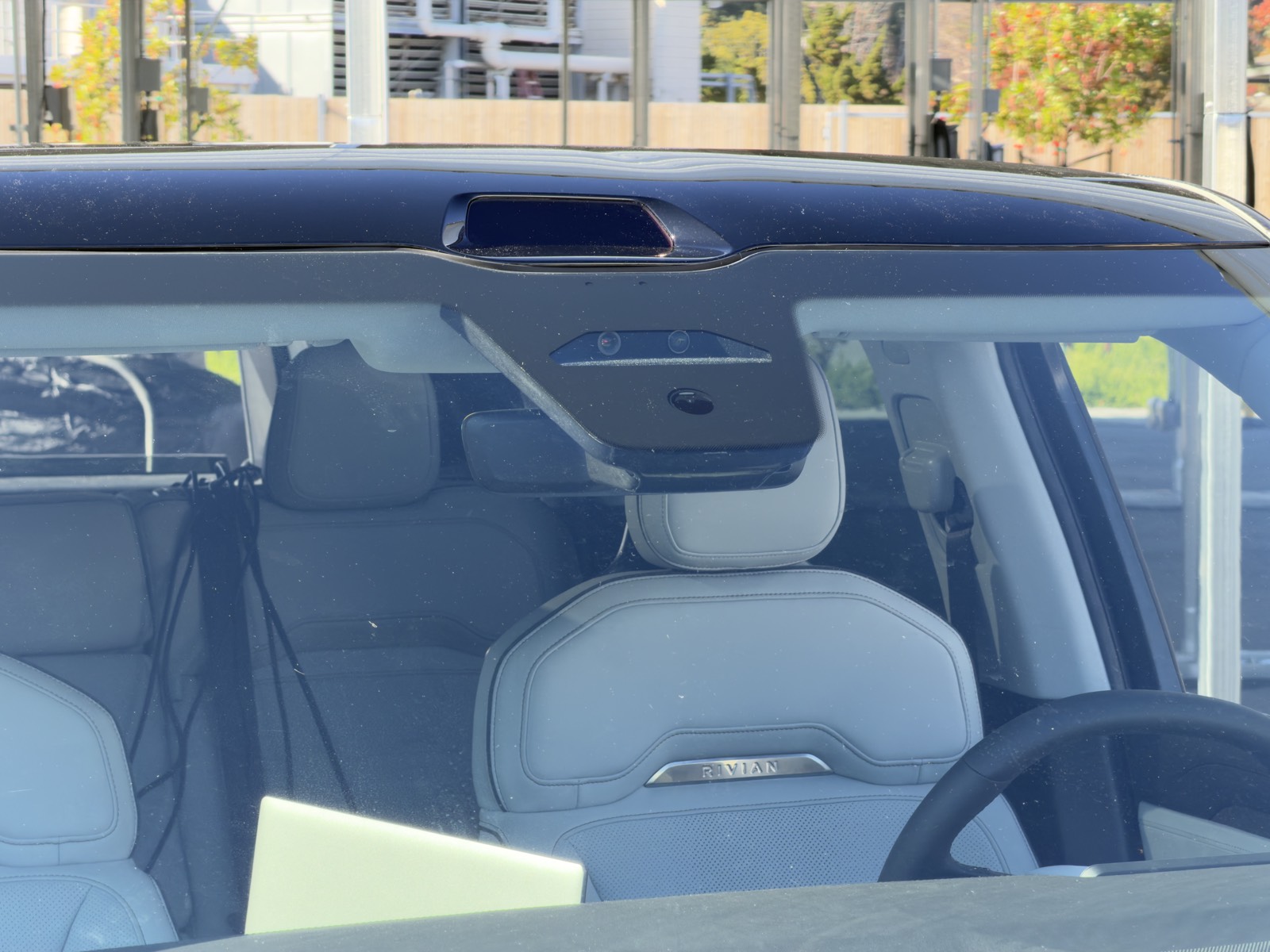
R2 is expected to launch initially without LiDAR, with LiDAR-equipped vehicles coming later in 2026. When that switch flips, it is not just about adding another sensor. It is about Rivian turning its customer fleet into a massive, always-on learning engine.
My take is simple. Hands-free driving will grab the headlines, but this ground truth fleet concept might end up being the most important autonomy move Rivian talked about all day. It is not flashy, but if Rivian executes, it is how autonomy gets better every year instead of just sounding better on a slide.



Honestly it is starting to feel like Rivian has totally lost the plot at this point.
They released the G1 R1S/R1T with big promises that they have either chosen not to or are unable to deliver on. Now they are releasing the R2 with obsolete hardware (we can call it whatever we want but if you tell everyone here is this shiny, brand-new thing but we’re obsoleting it in under 12 months it is already obsolete) for unclear reasons (maybe they have big fleet deals who won’t care but why anyone would buy a system with hardware that is being replace in under twelve months with no upgrade path is beyond me). There are numerous software issues with the existing models (Apple Music hasn’t worked in my G1 R1 for months with no indication in sight of it ever being fixed) that Rivian appears to have no interest in fixing.
It’s all speculation but I have two theories:
First, Rivian sees the self driving technology as far more valuable than the vehicles themselves and intends to effectively become a self-driving software company. The “ground fleet” and VW deals sure indicate that this could be the case. If that is the situation vehicles will always be second-class citizens to software needs and will always be effectively ignored. It will only get worse if Rivian inks more deals with other auto manufacturers since they will have even less reason to need Rivian vehicles on the ground.
My second theory is that RJ sees himself as the next Elon Musk. Not going to say any more on that.
I hope I’m wrong and these are all teething and growth issues that will be ironed out over time but I struggle to see how this is going to end positively for Rivian customers. I for one will not recommend Rivian again to anyone with all the bait-and-switch and confusion going on. I’m not unhappy with my R1, it’s a great vehicle but as a company Rivian has a long way to go before I trust them again – and they don’t seem interested in rebuilding that trust.