
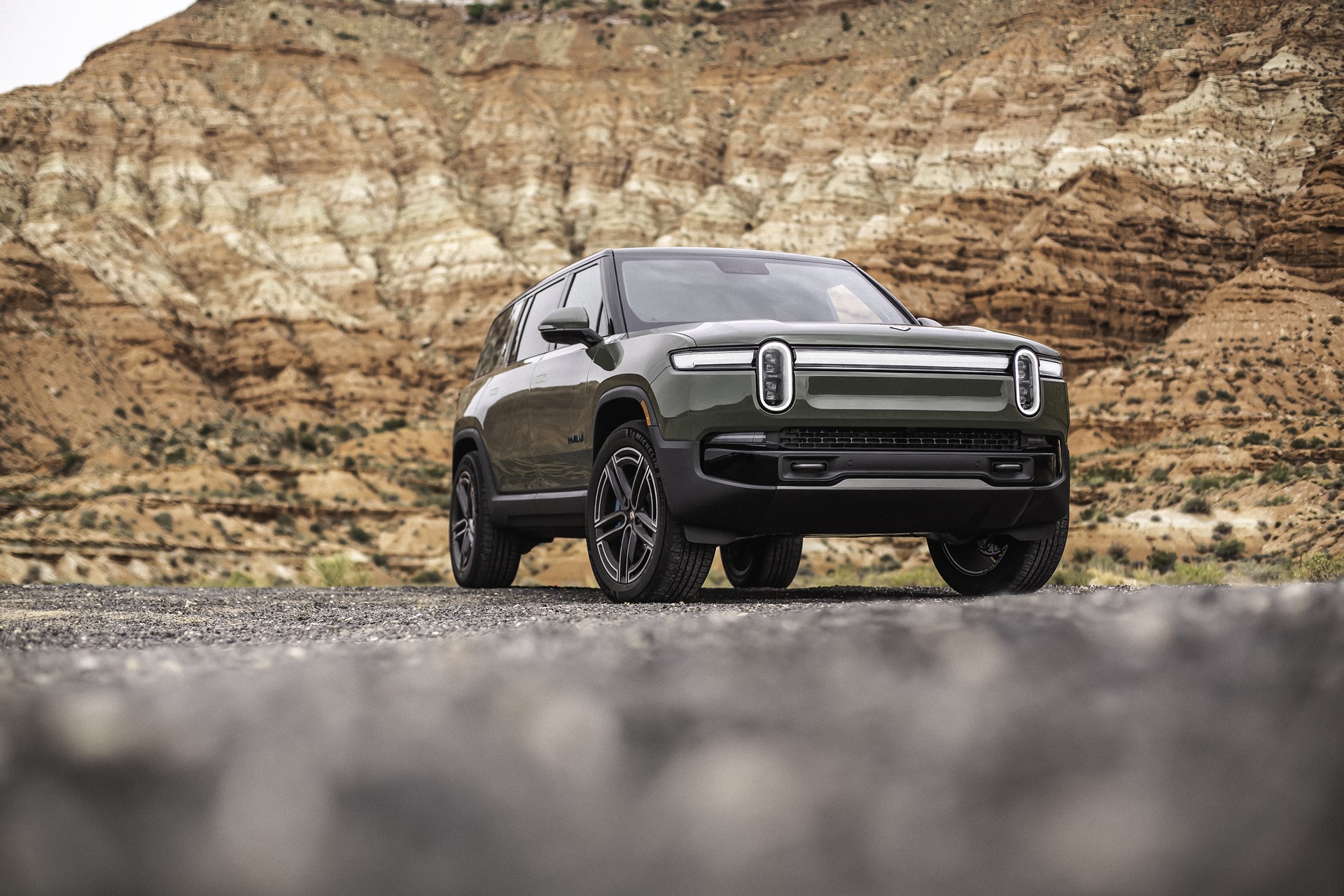
Rivian landed the number one spot in the Consumer Reports 2026 Owner Satisfaction rankings for the third year in a row, didn’t pick up a single S&P Global Mobility loyalty award when those were handed out at the Detroit Auto Show in January, and slipped below the segment average in J.D. Power’s premium EV satisfaction study. Same brand, three of the bigger industry surveys, three different stories.
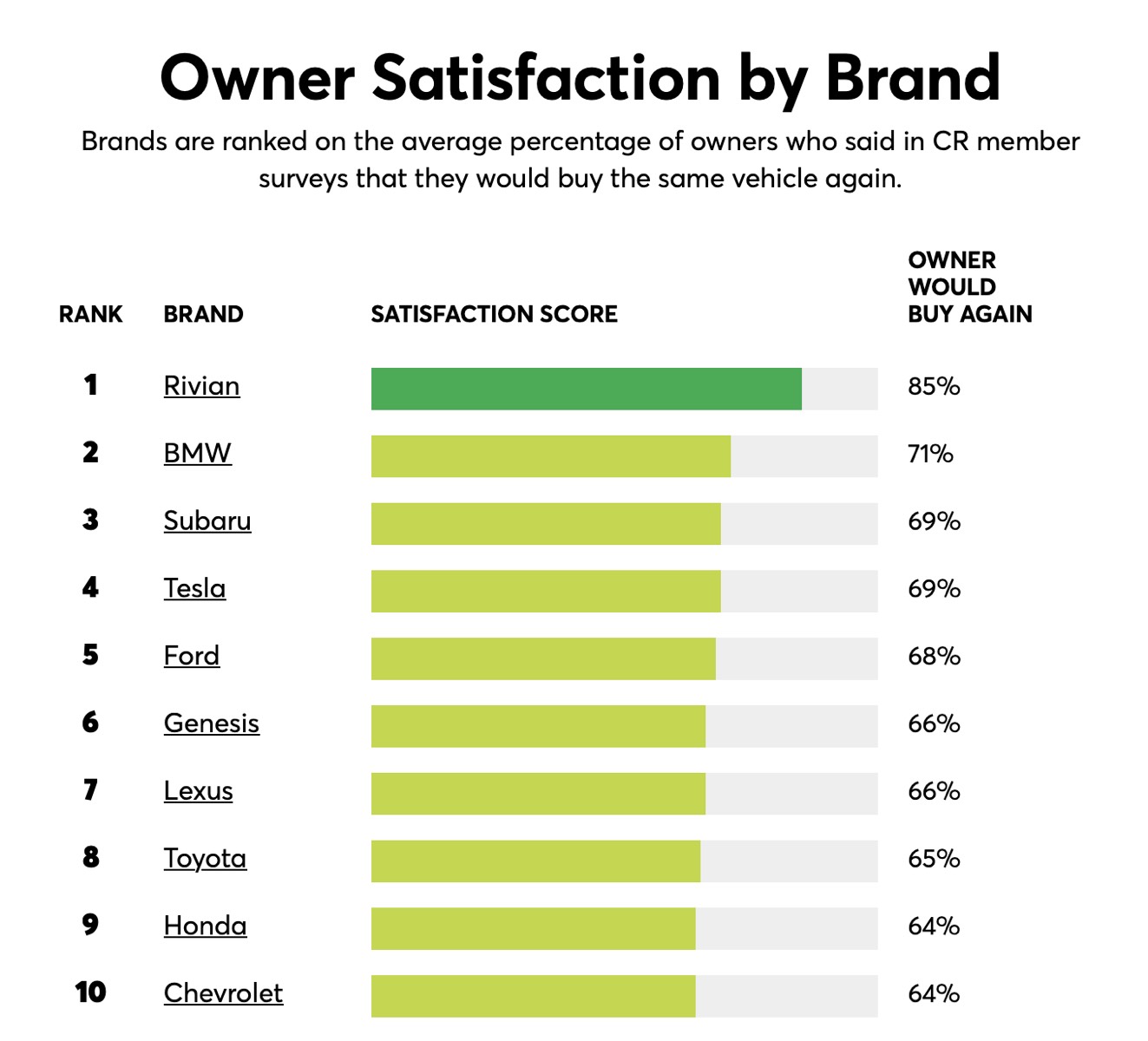
The Consumer Reports number is the headline most outlets are running with, and it’s a real one. 85% of Rivian owners said they would buy from the brand again, the highest score of any carmaker surveyed. The R1T pulled an absurd 91% buy-again rate, the R1S came in at 79%, BMW was the closest competitor at 71%, and Tesla landed in fourth at 69%. The asterisk Consumer Reports always notes is that Rivian still ranks dead last on reliability, with the R1T scoring 18 points out of 100. So people love the truck, they’re fixing the truck, and they’re still saying they’d do it again.
J.D. Power tells a colder version of the same story. Both Rivian models came in below the premium BEV segment average of 786 points, with the R1S at 758 and the R1T at 739. Tesla’s Model 3 led the segment at 804 with the Model Y at 797, more than 50 points clear of the nearest US-built rival. J.D. Power weights service experience, quality, and reliability inside the first year of ownership, which is exactly the window where Rivian owners hit the most friction. Same group of people Consumer Reports is talking to, just measured against a stopwatch instead of a feeling.

Then there’s S&P Global Mobility, where Rivian doesn’t appear in any category. General Motors took Overall Loyalty to Manufacturer for the eleventh year in a row. Tesla took Overall Loyalty to Make for the fourth straight year. Mini won Most Improved, Subaru took dealer loyalty, and the segment awards went to expected names like the Ford F-Series, Porsche 911, and Chevrolet Equinox.
Here’s the thing though. S&P doesn’t measure how owners feel. It measures whether owners actually went back to market and bought another one of the same make, model, or manufacturer. To win, you need scale and owners deep enough into their ownership cycle to be replacing or adding a vehicle.
Rivian basically can’t show up on that list yet. The company has only been delivering vehicles since 2021, most owners are still in their first ownership cycle, and the lineup is exactly two models with nowhere to go for a “loyal repeat purchase” except another R1T or R1S. R2 changes the math, but those customers won’t even start being measured until late this year, and the loyalty effect won’t surface in S&P’s data until 2027 or 2028.
So the absence isn’t really a Rivian problem. It’s a math problem.
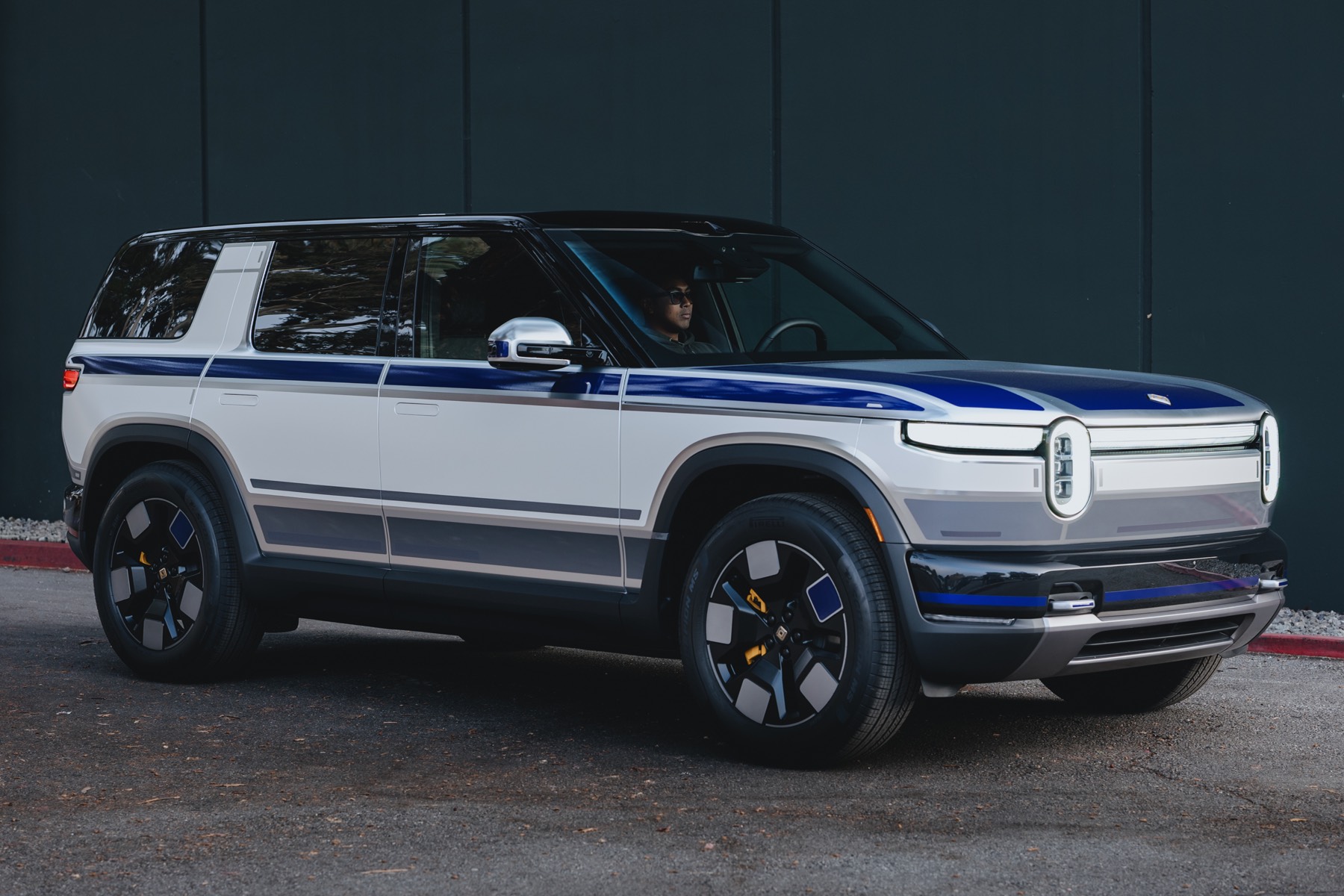
The interesting question is what happens when the data finally catches up. If R2 lands and the brand grows enough that S&P can actually see Rivian, the satisfaction numbers suggest the loyalty scores will be strong when they show up. The bigger risk is on the J.D. Power side, where the first-year ownership experience needs to drag itself up to a place that doesn’t keep undercutting the rest of the brand impression. Not unfixable, but the gap with Tesla on that axis is real.
For now though, third year in a row at the top of Consumer Reports is worth saying out loud. Most legacy automakers have spent decades trying to get there.



Interesting about Subaru. My experience has been dealerships are not to be trusted. Their service people work on commission, and they clearly don’t have the customer as top priority. Their financial people are not to be trusted. I would never buy another Subaru, and I love my Crosstrek plug-in hybrid.