Want to get in touch? Contact us at [email protected]

Why Rivian’s R2 LiDAR Timeline Risks the Osborne Effect
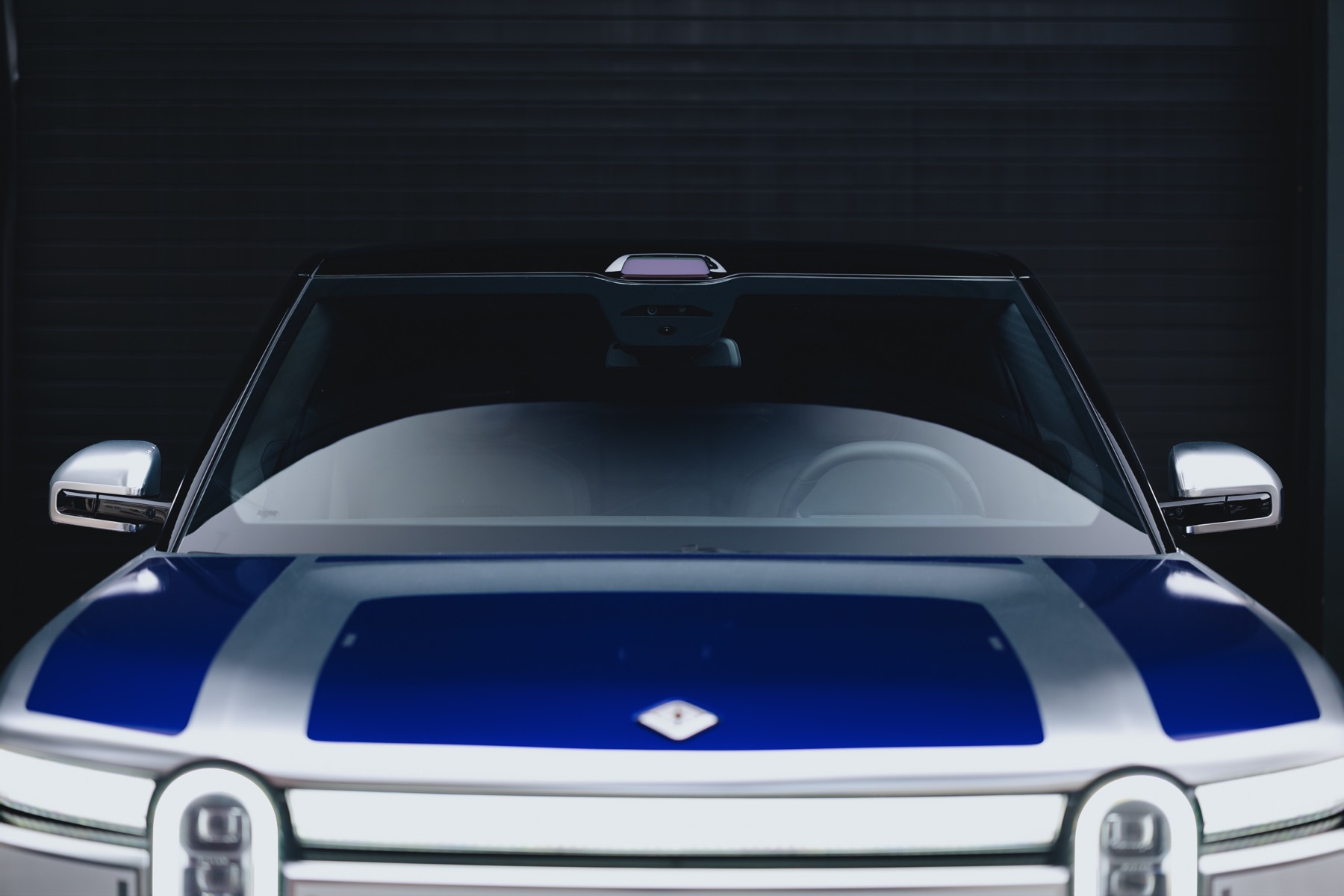
With Rivian confirming that LiDAR is coming to R2 in late 2026, but also making it clear that R2 deliveries begin in early 2026 without it, there’s an interesting business dynamic worth talking about, the Osborne effect.
The Osborne effect is a classic concept in tech. It happens when a company announces a future product or major upgrade too early, causing customers to delay or cancel purchases of the current version. The name comes from Osborne Computer Corporation in the early 1980s, which prematurely announced a next-generation computer. Customers stopped buying the current model, sales collapsed, and the company never recovered.
In simple terms, if buyers know something better is coming soon, many will wait. That’s why Rivian’s LiDAR timing matters.
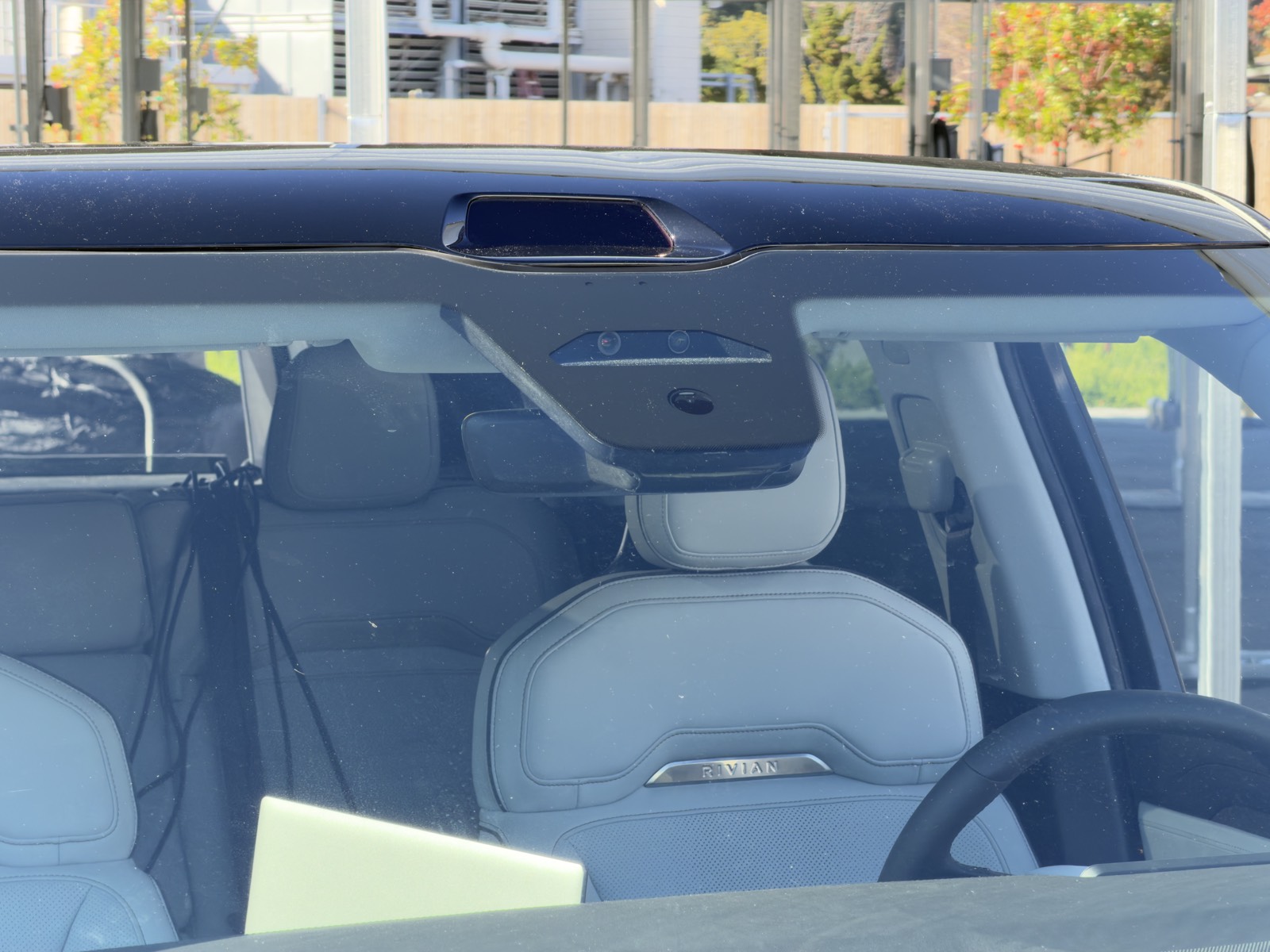
R2 is expected to be Rivian’s highest volume vehicle by far, aimed squarely at mainstream buyers who care about technology longevity. By confirming that LiDAR will arrive roughly 9 to 12 months after launch, Rivian is walking a tightrope. On one hand, transparency builds trust. On the other, it risks giving potential buyers a reason to pause their purchase.
For some shoppers, the logic will be straightforward. Why buy an R2 in early 2026 if a more advanced autonomy hardware stack is coming later in the year? Even if Rivian promises strong camera and radar based autonomy at launch, LiDAR carries a perception of being more future proof, especially for hands-free and higher levels of autonomy.
This is exactly where the Osborne effect creeps in.
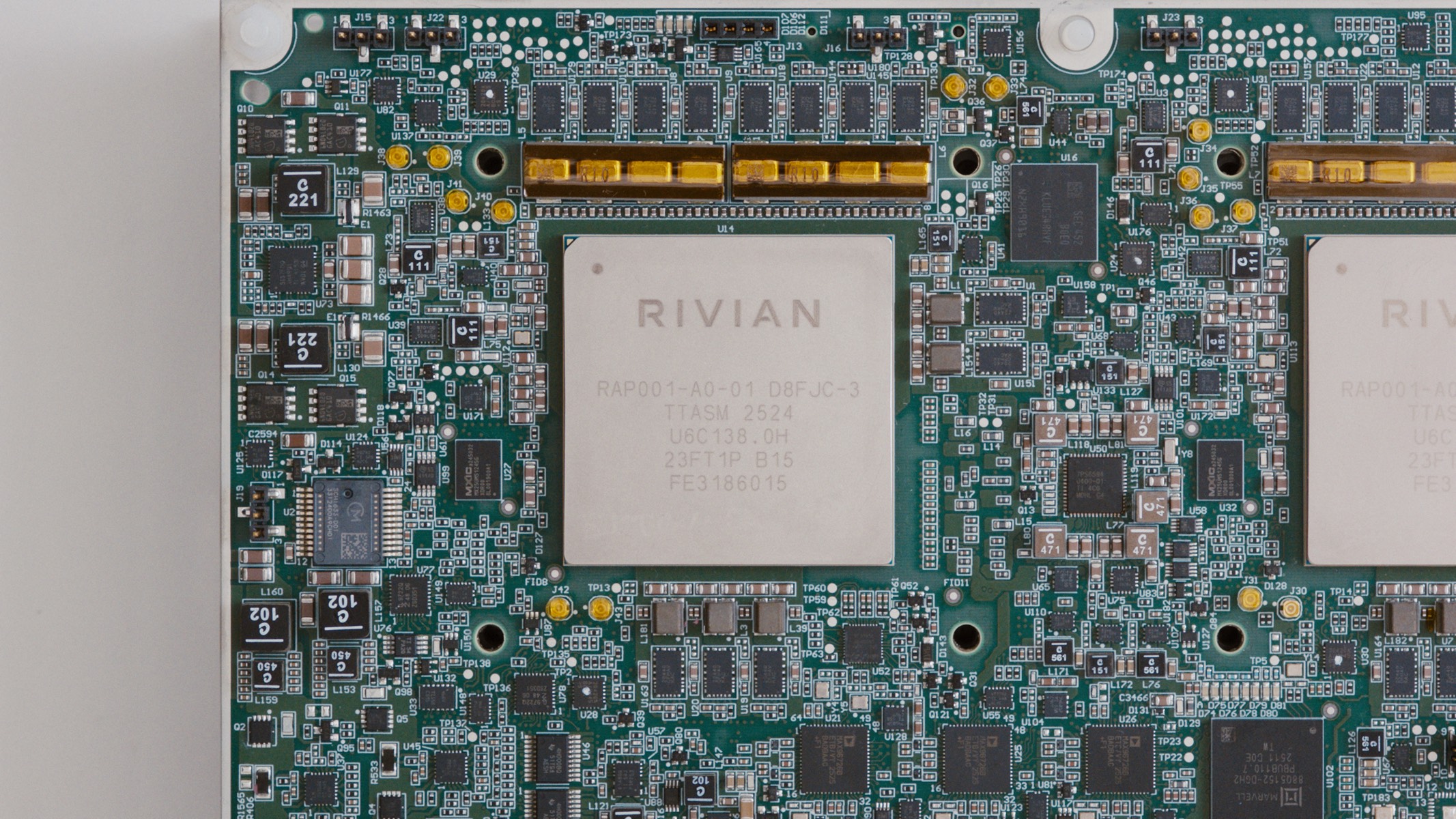
Rivian likely knows this risk, which is why they framed the announcement carefully. They emphasized that R2 launches with a capable Gen 2 autonomy computer and that LiDAR is an enhancement, not a requirement for early features. Universal hands-free driving still launches without LiDAR. More advanced capabilities arrive later.
In other words, Rivian is trying to prevent buyers from thinking early R2s are incomplete.
Still, there will absolutely be a subset of buyers who wait. That’s unavoidable. Tech-savvy consumers follow these announcements closely, and Rivian’s audience tends to be more informed than average. Some will delay orders specifically to get LiDAR hardware baked in from day one, even if it means waiting into late 2026 or 2027.
The flip side is that Rivian almost had to announce this now.
Autonomy Day set expectations. Rivian is competing not just with traditional automakers, but with Tesla, which constantly sells the promise of future autonomy. Staying silent about LiDAR could have backfired just as badly once leaks or sightings surfaced. By owning the narrative early, Rivian controls expectations instead of letting speculation spiral.
My take is that Rivian is accepting a small, calculated Osborne effect in exchange for long-term credibility. R2’s price point, design, and overall value proposition will still pull in plenty of early buyers who don’t want to wait. At the same time, Rivian plants a flag that R2 has a clear autonomy upgrade path, something many buyers care deeply about.
This isn’t Osborne Computer Corporation in the 1980s. Rivian isn’t replacing R2 with a new vehicle, they’re evolving it. The risk is real, but manageable, and arguably the right call for a brand trying to play the long game in autonomy.
The real test will be whether Rivian can make the non-LiDAR R2 feel genuinely future-ready from day one. If they pull that off, most buyers won’t wait. If they don’t, the Osborne effect could become more than just a business school example.
I lost track in the presentation. Is LiDAR going to require the Gen3 processors or was the Gen3 computing a future future? Could LiDAR be a Gesr-Shop optional add-on/plug-in for these initial R2s?
If they are clear that personal L4 autonomy is possible and enabled without it, then there’s little downside to being an early adopter.
If on the other hand LiDAR is a prerequisite for personal L4….. I know I’ll wait.