
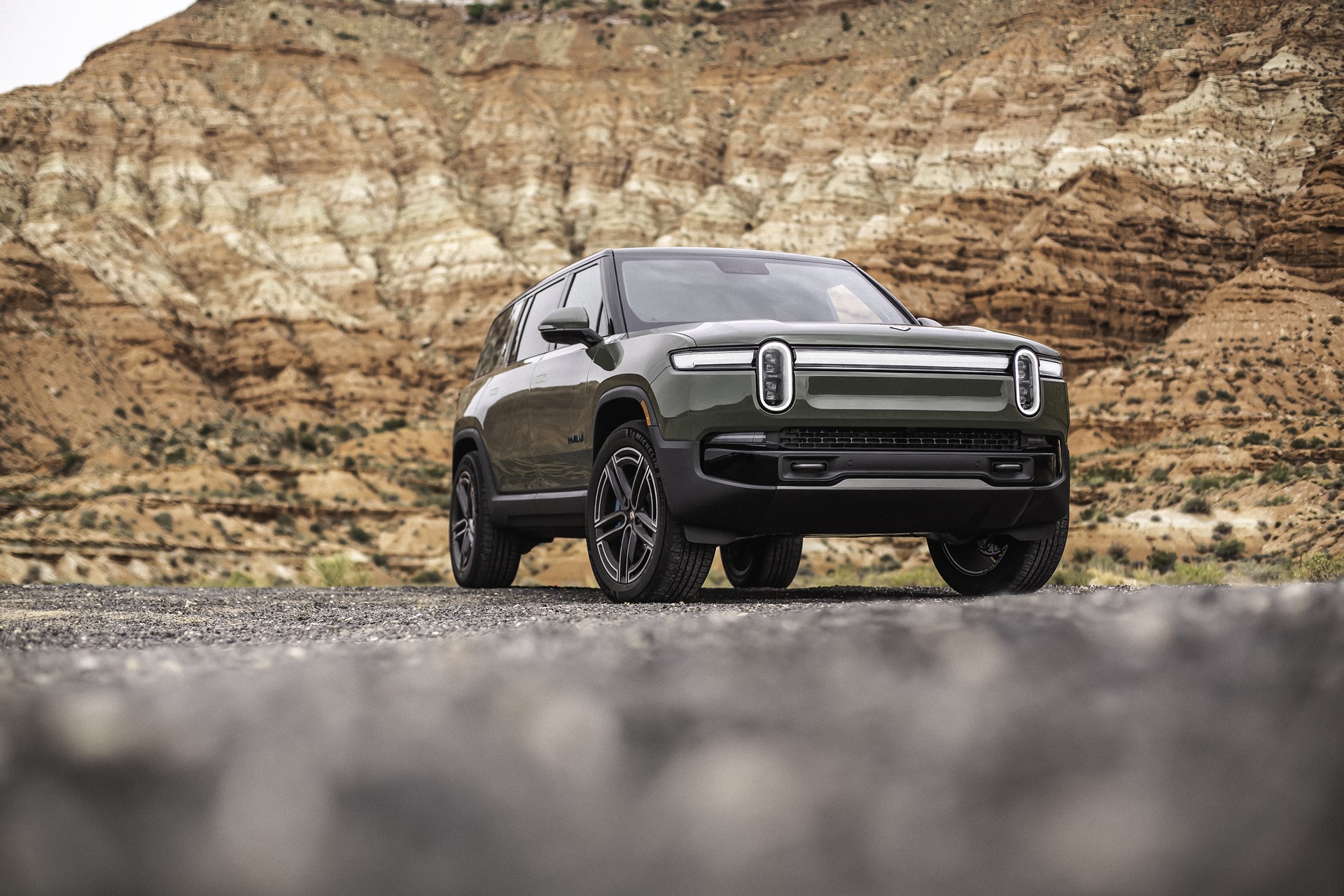
Rivian is reportedly cutting around 4% of its workforce, impacting more than 600 employees according to The Wall Street Journal. This comes just a month after the company trimmed about 1.5% of its staff in a similar effort to streamline operations and reduce costs ahead of next year’s launch of its more affordable SUV lineup.
Like many electric vehicle manufacturers, Rivian is facing growing financial pressure as policy changes ripple through the industry. The current administration’s rollback of incentives that once fueled EV adoption, particularly the end of the $7,500 federal tax credit for buyers, has created a tougher environment. Those incentives were not just consumer-facing; they indirectly supported companies like Rivian through the sale of compliance credits to other automakers. Rivian now estimates roughly $100 million in revenue is currently being held up due to these policy shifts.
It’s a difficult moment for a company that’s still innovating rapidly, building next-generation vehicles, and pushing to bring costs down. I genuinely feel for the talented people at Rivian who have poured so much of themselves into this mission. The brand wouldn’t be where it is today without their hard work and passion, and I hope those affected land on their feet soon, the EV space needs people like them.



I love my Rivian and believe it to be the best personal transportation vehicle on the road today. These short-sighted policies are ridiculous and discriminatory to a consumer base that desires clean energy alternatives.