
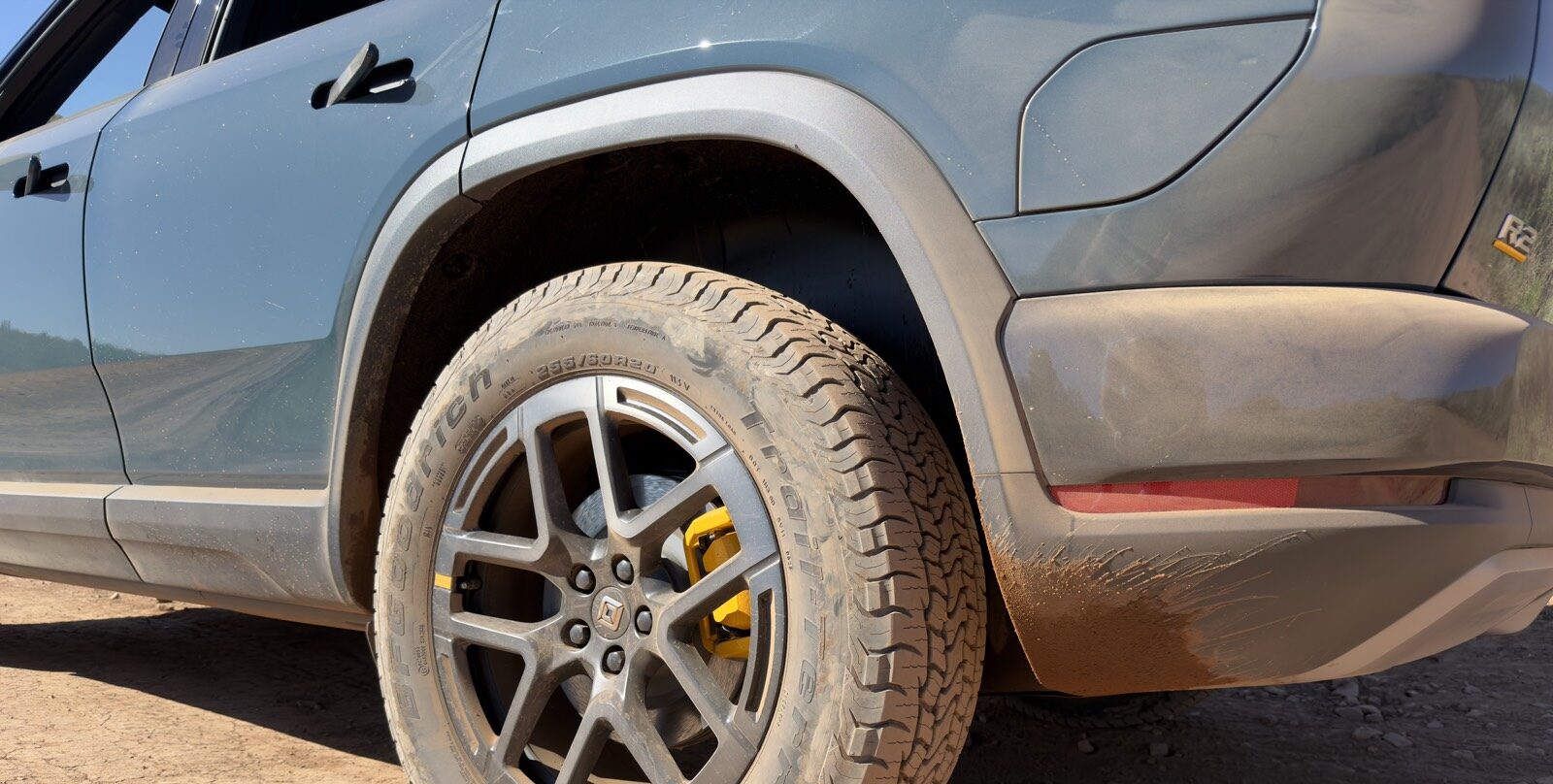
Rivian service has been contacting select R2 owners about the high-voltage distribution system, and one owner has now posted the scope of the work. A technician inspects the DC fast charging connector-to-header joint for gap and thermal abnormalities, and if that joint comes back NOK, which is Rivian’s shorthand for not OK, the DCFC Header Assembly and the DCFC Connector Assembly are both removed and replaced.
That description came from a Rivian in-app service conversation dated August 19, where Rivian referred to it as an engineering investigation recall on the owner’s R2. The owner asked whether Engineering considers the vehicle safe to drive and DC fast charge normally until his appointment on the 27th, or whether he should avoid fast charging until it has been inspected. Rivian responded that as a precaution, it recommends holding off on DC fast charging until then.
Separately, an owner on r/Rivian described receiving a voicemail from service stating that Rivian had detected a potential issue with the high-voltage distribution system on his R2 and asking him to call back to schedule an inspection. He called the main 855 number, and the representative who answered was initially unfamiliar with the request before locating notes on the account and booking an appointment for the following Wednesday. The owner initially assumed Rivian was monitoring telemetry on individual vehicles, then updated the post to say the outreach may be VIN-based on a batch of affected cars.
Rivian has not filed anything with NHTSA on this, and the R2 does not appear on Rivian’s recall information page. No VIN list, affected build range, or vehicle count has been published, so the current path to finding out is the phone call from service or contacting service directly.


Evidence suggests it’s a limited issue and that Rivian is aware and resolving as needed. No drama.