
Rivian Automotive Inc. is once again grappling with supply chain disruptions, leading the electric vehicle (EV) manufacturer to significantly lower its 2024 production forecast. On Friday, the company announced a sharp cut in its production targets, dropping them by as much as 18% to a range of 47,000 to 49,000 vehicles.
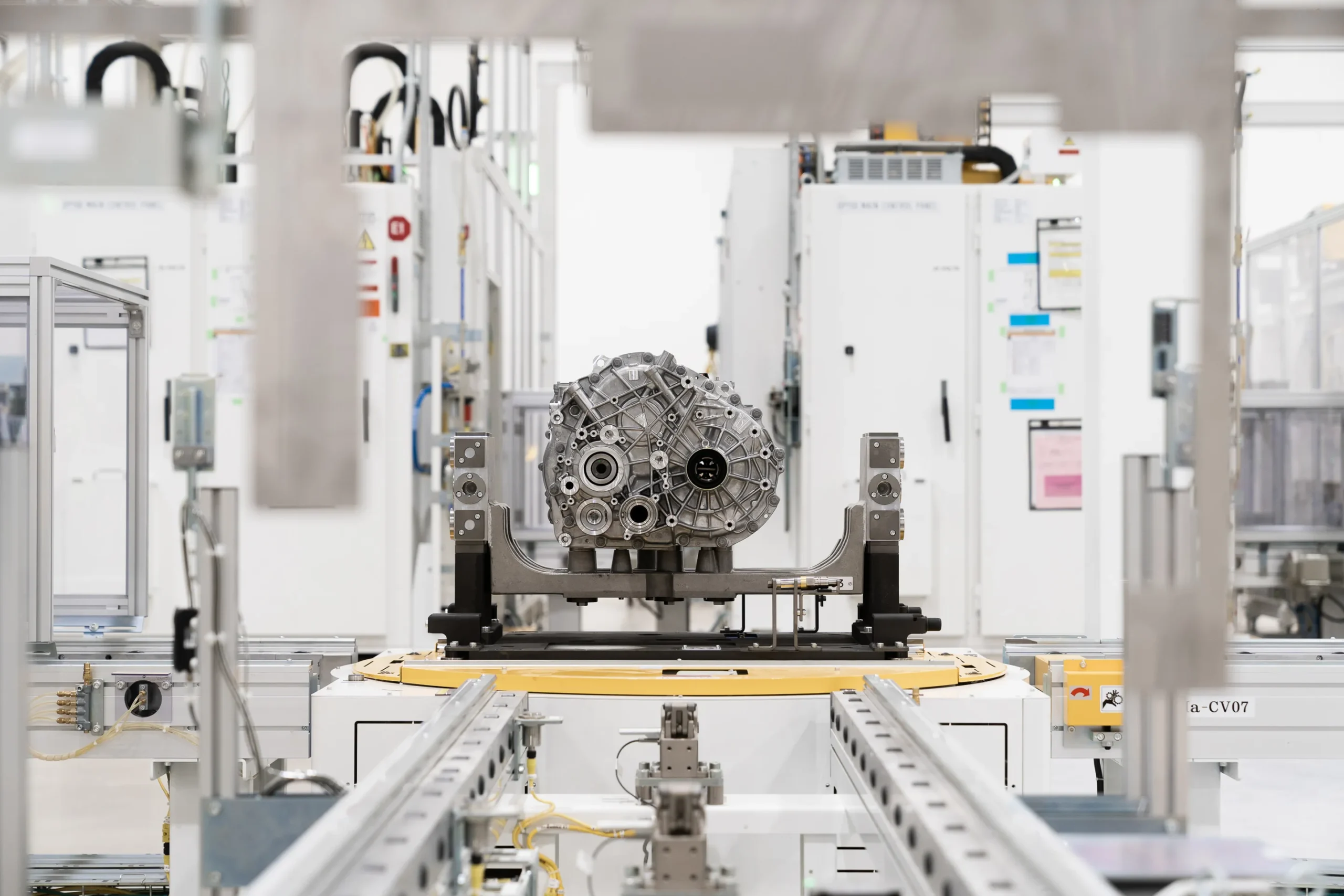
The root of the issue lies in a miscommunication earlier this year between Rivian and one of its key suppliers, Essex Furukawa, based in Atlanta. Essex Furukawa is Rivian’s sole provider of copper windings, a crucial component in the in-house production of EV motors. These windings enable the flow of electricity that powers Rivian’s vehicles, including its R1 pickup, SUV models, and delivery vans for Amazon.
According to sources familiar with the situation, Rivian failed to accurately communicate its supply and demand needs to Essex, resulting in the supplier allocating its resources elsewhere. This created a severe shortage of copper components, significantly hampering Rivian’s production line at its Normal, Illinois plant. While the EV maker has identified potential alternative suppliers, the steep costs of switching suppliers on short notice have made this an impractical solution in the near term.
The shortage first began to affect production in the third quarter, but it has worsened in recent weeks. The absence of backup vendors in Rivian’s supply chain has compounded the issue, turning the shortage into a production bottleneck that has caused delays in multiple vehicle models.
The move has analysts concerned about Rivian’s short-term outlook. Deutsche Bank analysts, led by Edison Yu, raised alarms over potential delivery delays stretching into the first quarter of 2025. They also expressed doubt over Rivian’s ability to meet its goal of reaching a positive gross margin in the final quarter of this year.
For Rivian, which is still ramping up production volumes, the lack of diversified suppliers is particularly challenging. Unlike larger automakers, Rivian has fewer options to mitigate supply chain disruptions. As the company works to resolve this latest issue, it will need to take steps to secure more robust supplier relationships to avoid similar setbacks in the future.
Source: Bloomberg