
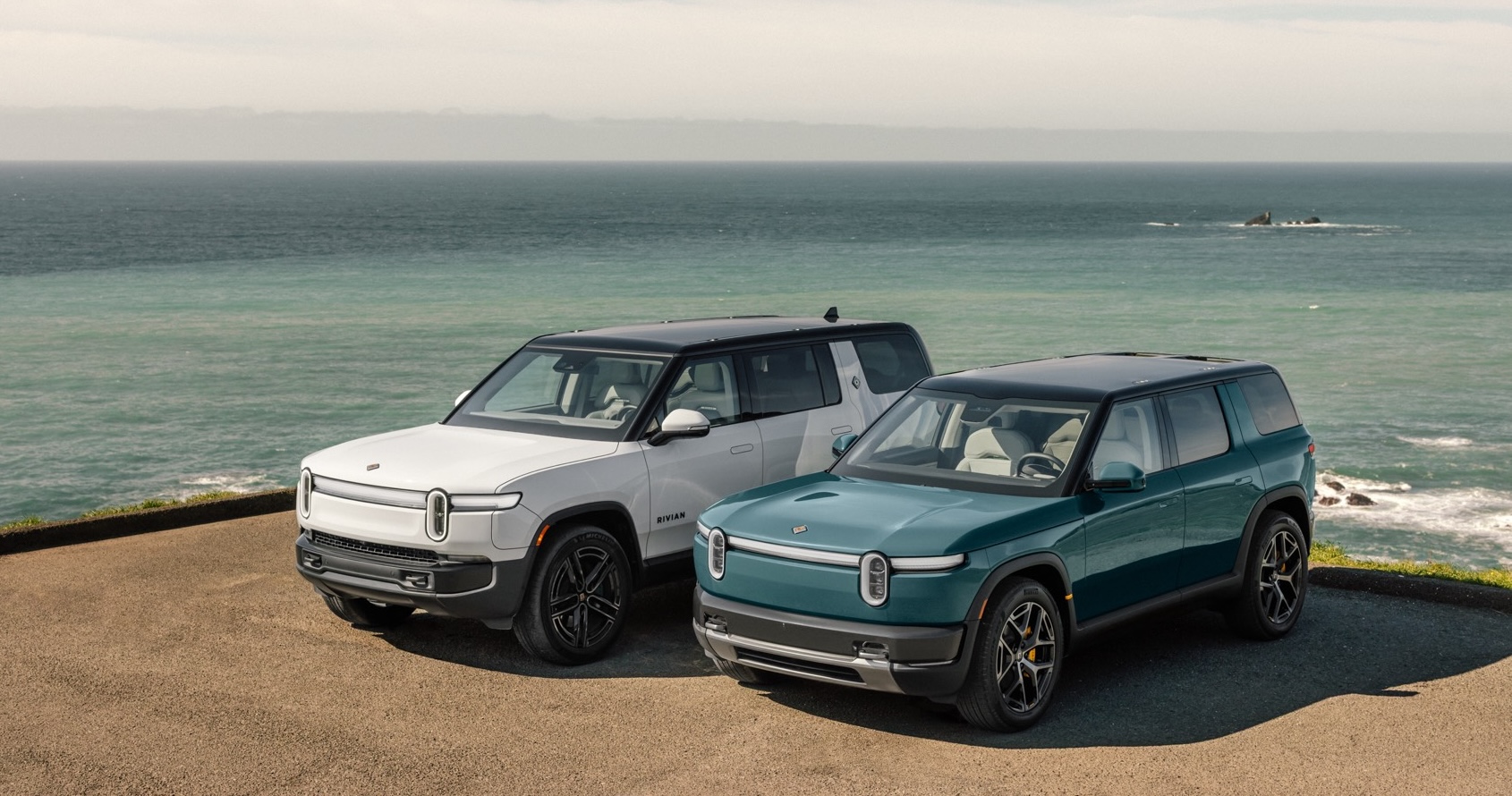
Most of the range you lose is on you, and the biggest thing you control is how fast you are driving. It is not the battery, and most of the time it is not even the cold. It’s speed. (Insert Lightning McQueen meme here)
The reason is air. Every Rivian is a big, tall vehicle, and it has to shove a lot of air out of the way, and the faster you go, the harder that gets. The cost grows the faster you are already going, so 70 to 80 hurts more than 60 to 70 did. That is true for the R1T and R1S, and it is true for the R2 even though the R2 is smaller. Back off five or ten on a long stretch and you can watch the estimated range come back up while you drive.
Cold is the next thing people blame. It’s real, but it’s not the whole story. A cold pack doesn’t give you everything until it warms up, and it spends a little energy warming itself. The higher cost in the cold is usually heating the cabin, because that pulls real power. This is what preconditioning is for. Warm the vehicle up while it’s still plugged in and you’re pulling from the grid instead of the battery, so you start the drive with more of your range intact.
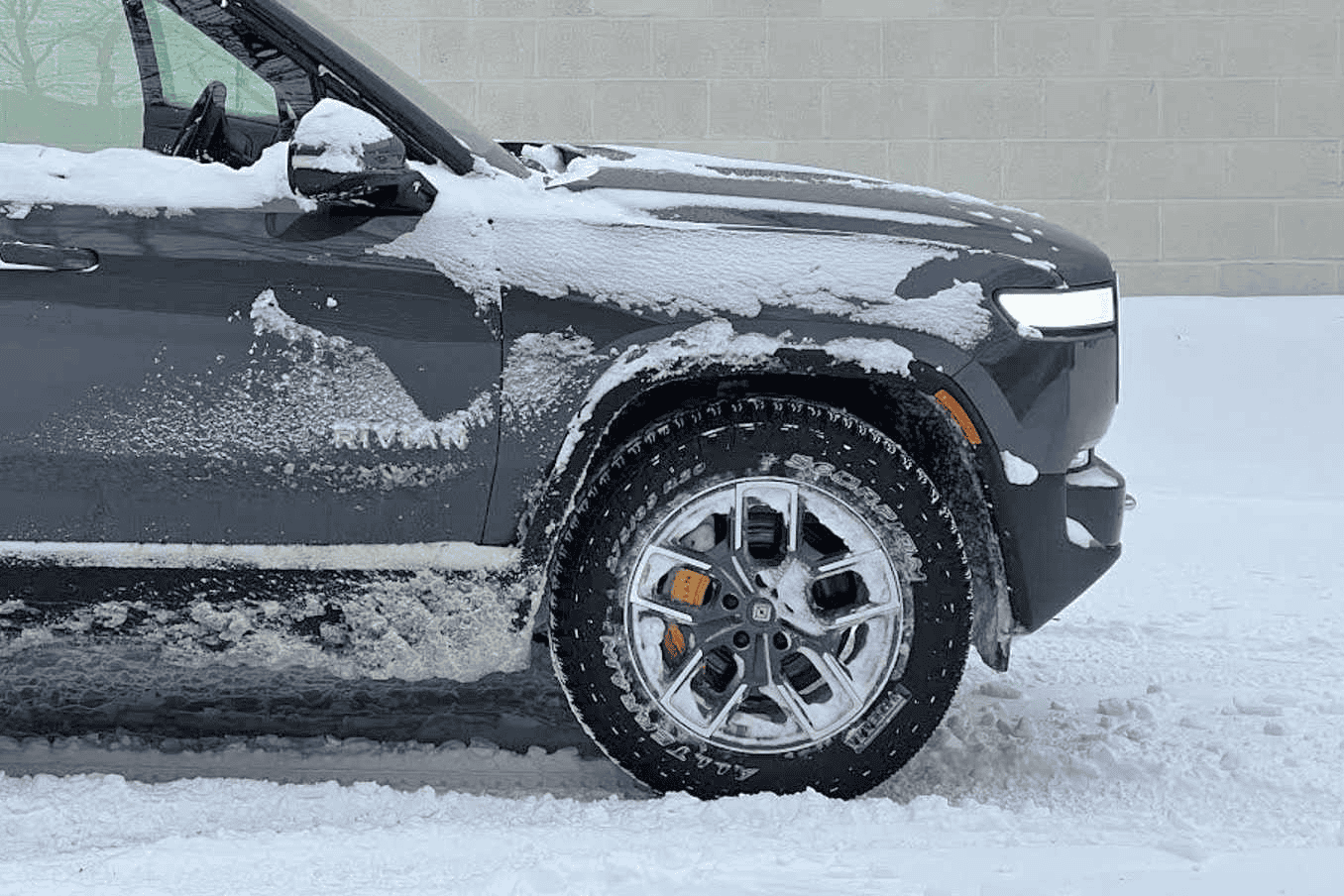
Running the AC in summer costs you too, just nowhere near what heat costs in the winter.
Wheels and tires are the one people forget. The all-terrain setup looks great, but a bigger wheel and a chunkier tire both cost you range. More weight, more rolling resistance. And the aggressive tread grabs at the road more than a street tire does. Go with road tires or a smaller wheel, and you get some of that back. Run the all-terrains, and you are paying for them every mile, even on the days you never leave the highway. That’s no reason to skip them, just worth keeping that in mind when specing your Rivian. Tire pressure goes right along with that.
Drive modes matter less than people think, but Conserve is worth noting. Most Rivians can drop into a more efficient setup where it lowers the ride height (on R1) and changes how the power gets used, and on a flat highway run it helps a bit. All-Purpose is fine the rest of the time. Sport and the off-road modes are not there to save energy, so do not expect them to.
Let’s talk about EPA numbers and what they mean. The figure on the window sticker comes out of a lab, and your real number is going to land under it most of the time. Nothing is wrong when that happens, and every EV does it. Once you treat the EPA number as a best case instead of a promise, most of the range worry goes away on its own.
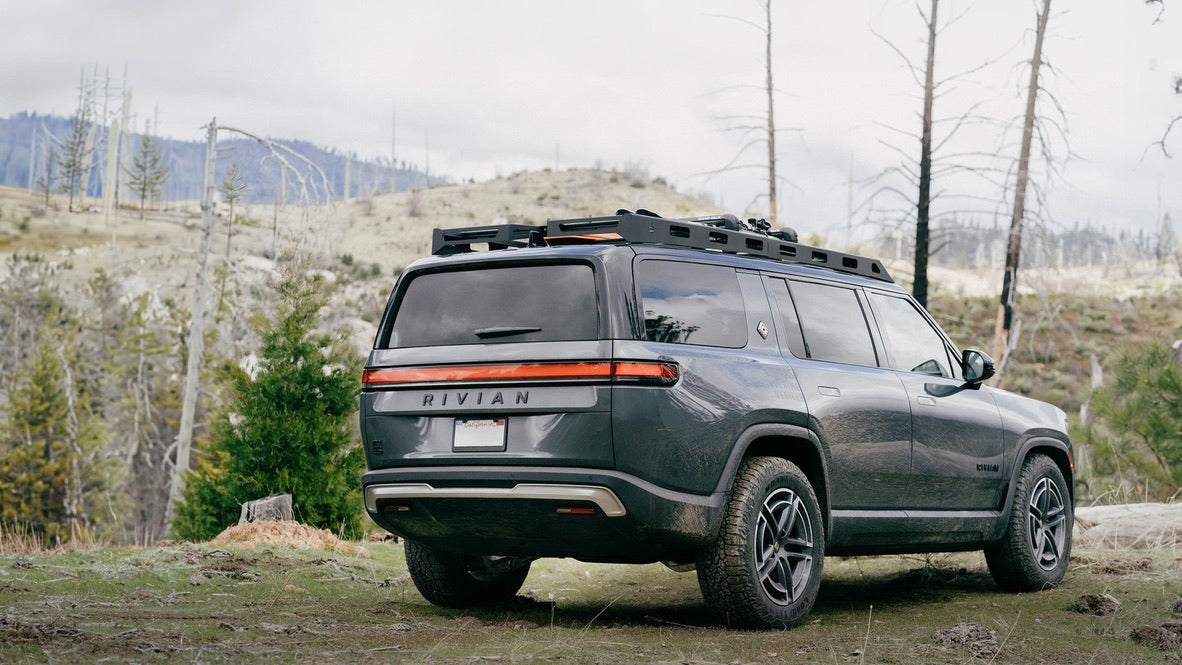
A few smaller ones. Anything on the roof or sticking up out of the bed catches air and costs you, so pull the crossbars and the tent when you are not using them. Regen and one-pedal driving help most in stop-and-go traffic and a lot less out on the open road. And towing cuts your range roughly in half, this is expected when putting extra weight.
You don’t have to baby the thing. Drive it how you like. But when you actually need the miles, on a long trip or a cold morning with the chargers spaced out, now you know what moves the needle and what doesn’t.
The nice part is a lot of this keeps getting better on its own through software updates. Efficiency and routing have both improved over the last few years, and I don’t see that stopping. So your Rivian a year from now will probably do a little better than it does today without you touching anything. In the meantime, it’s mostly speed, and after that the tires. Everything else on the list is worth doing, but they’re small things in comparison.