
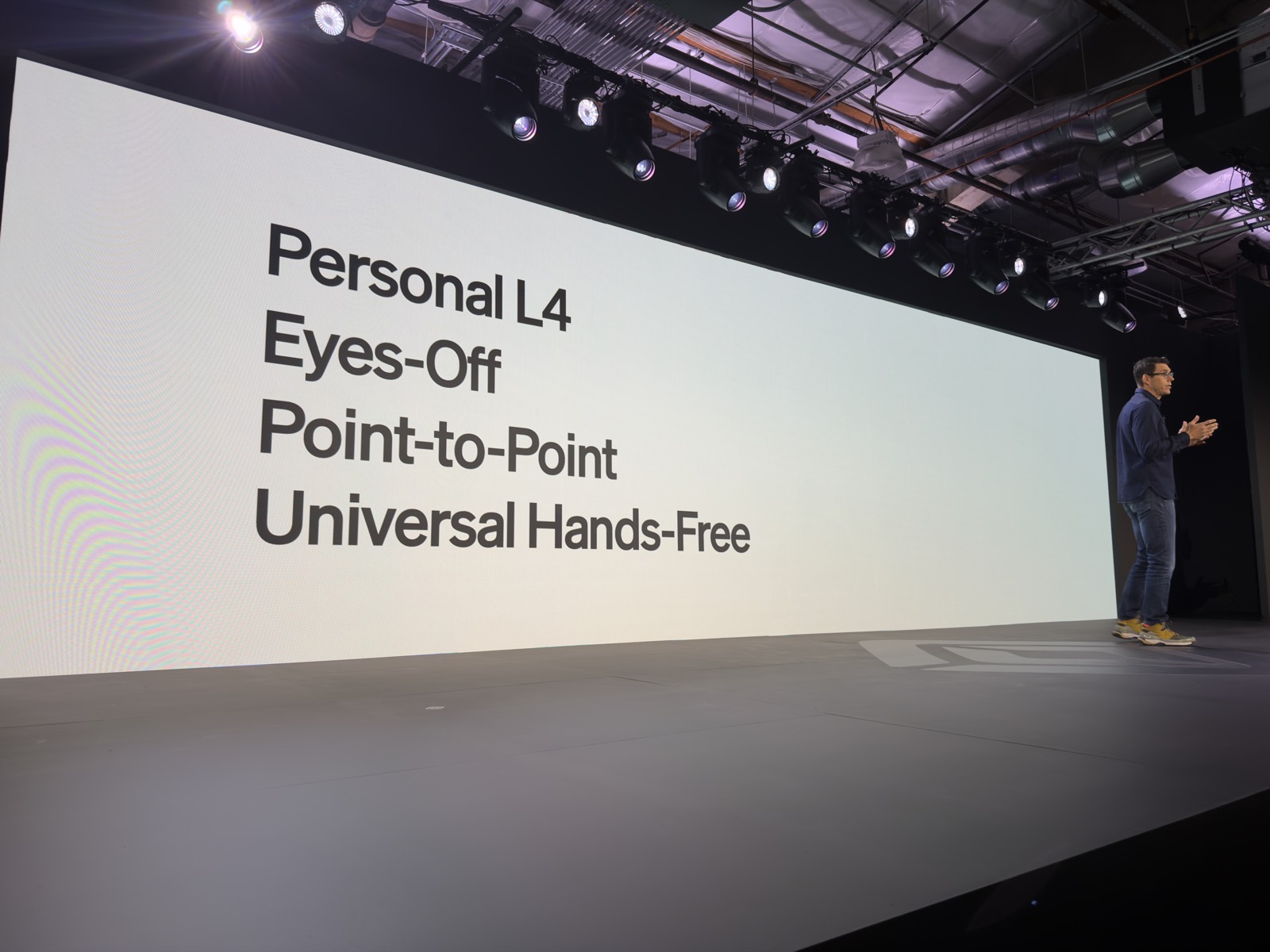
In an exclusive interview with Yahoo Finance, Rivian CEO RJ Scaringe opened up about last week’s $1.25 billion deal with Uber for up to 50,000 R2-based robotaxis, and the real story is what he said about where Rivian is actually headed.
The deal took about a year to come together, largely because figuring out the right economic model is complicated. Rivian cares a lot about what they call “vehicle revenue per mile,” basically how much money a car actually earns while it’s being used, and that metric shaped the whole structure of the agreement.
What sets this partnership apart from Uber’s other EV deals is that there’s no third-party autonomy software involved. Rivian’s in-house platform, including their own custom chips, handles everything. And RJ’s framing of why that matters is worth paying attention to: if you sell someone a car and then also sell them a driver, the driver is incredibly valuable. That “driver” is Rivian’s autonomous software, and they see it as a recurring revenue stream across every vehicle they sell, not just commercial fleets. Same long game Tesla has been playing with FSD.
The investment will push profitability past 2027, but Uber’s backing after seeing parts of Rivian’s autonomy work that haven’t been made public yet feels like real outside validation.
RJ also made a bold prediction that the pace of progress in autonomous driving between now and 2031 will make the last five years look slow, comparing it to the jump from early chatbots to today’s AI. The moment where a self-driving car just feels normal might come faster than most people expect.
The Uber deal is a big headline, but Rivian is clearly building toward autonomous software as a business in its own right. That’s the bet worth watching.



Once a self driving car feels “normal,” it’s only a matter of time before it’s a commodity. Once it’s a commodity, no one can charge for it. Building a business case as a car company based on recurring revenue from those cars feels like a short term cash grab and a long term losing proposition.
That’s a weird take. You pay for transport all the time. You pay for gas. You pay for electricity. You pay for housing. Banks make a ton of money off of housing. Commodities are a good investment during economic downturns.
I’m not saying autonomy won’t have value. I’m saying Rivian’s business case seems to assume it’ll hold pricing power long enough to support a real recurring revenue model, and that feels pretty shaky to me.
If the technology moves as fast as RJ is suggesting, it’ll probably spread across the industry faster too. Once several manufacturers have a comparable autonomous capability, one of them is going to use it to help sell cars by bundling it in as standard equipment or pricing it very aggressively. Then Rivian has to respond, either by cutting the price or including it too.
A lot of car manufacturers seem to have this pipe dream of turning the car into a long-term subscription revenue machine. Call me skeptical, but I don’t think people are going to accept paying ongoing premium software fees forever for something they’ll eventually see as part of the car.
That means the premium window is probably pretty limited. So the question isn’t whether autonomy has value. It’s whether Rivian can hold onto premium per-mile economics long enough to make that a solid long-term business case. That’s the part that feels tenuous to me.