
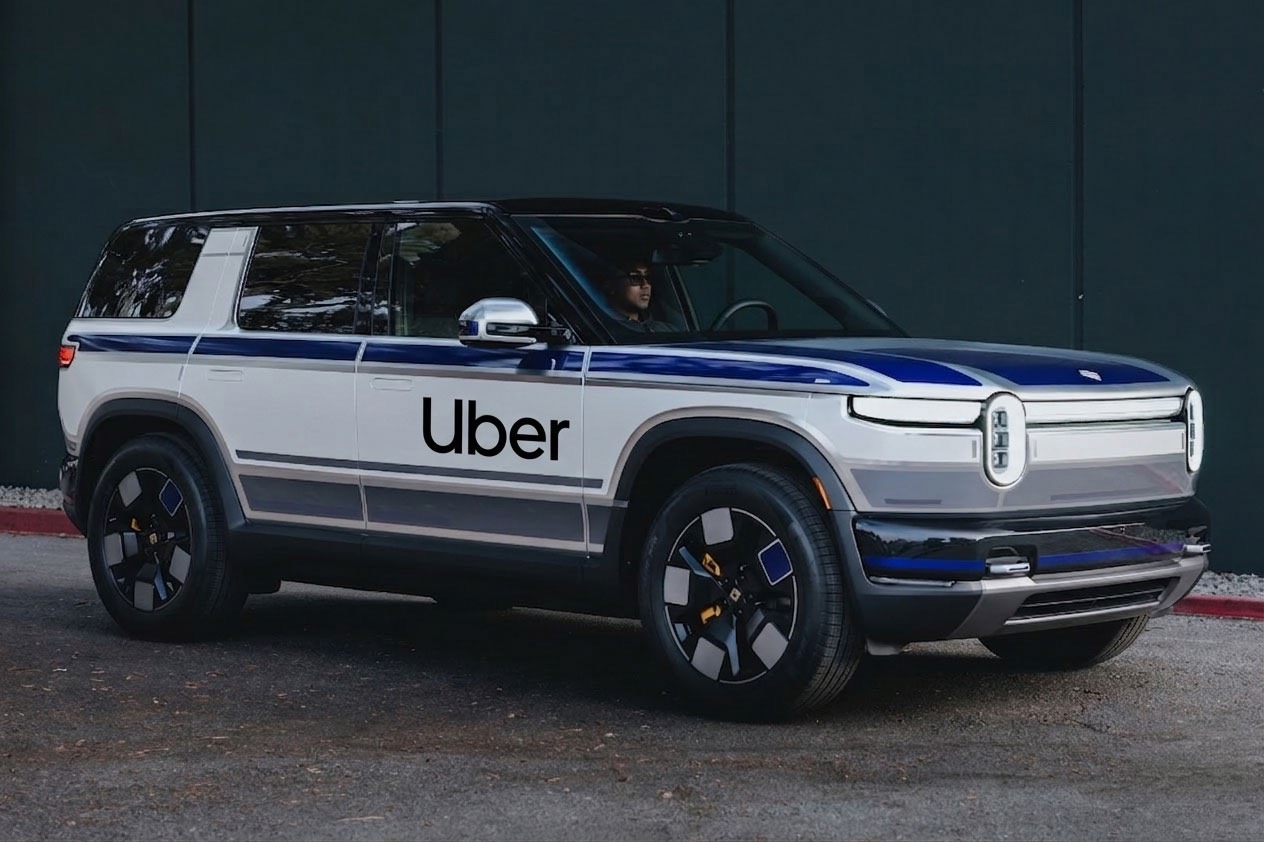
The $1.25 billion Uber deal is a big moment for Rivian, but it comes loaded with conditions, dependencies, and a timeline that deserves some healthy skepticism before anyone declares victory.
Start with the most obvious one: Rivian hasn’t built a single R2 yet. Consumer deliveries are expected to begin by the end of spring, the Georgia factory that’s supposed to produce the robotaxi versions is still under construction, and Rivian is already guiding for just 46,000 to 51,000 total vehicle deliveries across all of 2026. Getting 10,000 fully autonomous R2s on the road by 2028 is an extremely compressed timeline layered on top of a production ramp that hasn’t even started.
Then there’s the money. Uber’s $1.25 billion commitment sounds massive, but only $300 million is actually guaranteed at signing. The remaining $950 million is tied to Rivian hitting specific autonomous driving milestones by specific dates through 2031. If the autonomy stack doesn’t progress fast enough, the funding doesn’t flow.
Rivian also just quietly admitted it’s no longer expecting to hit adjusted EBITDA profitability in 2027. The reason given is increased R&D spending to accelerate the autonomy roadmap, which is the right call strategically, but it means the company is burning more cash for longer than investors were previously told to expect. Autonomy is expensive, and the timeline to payoff keeps moving.
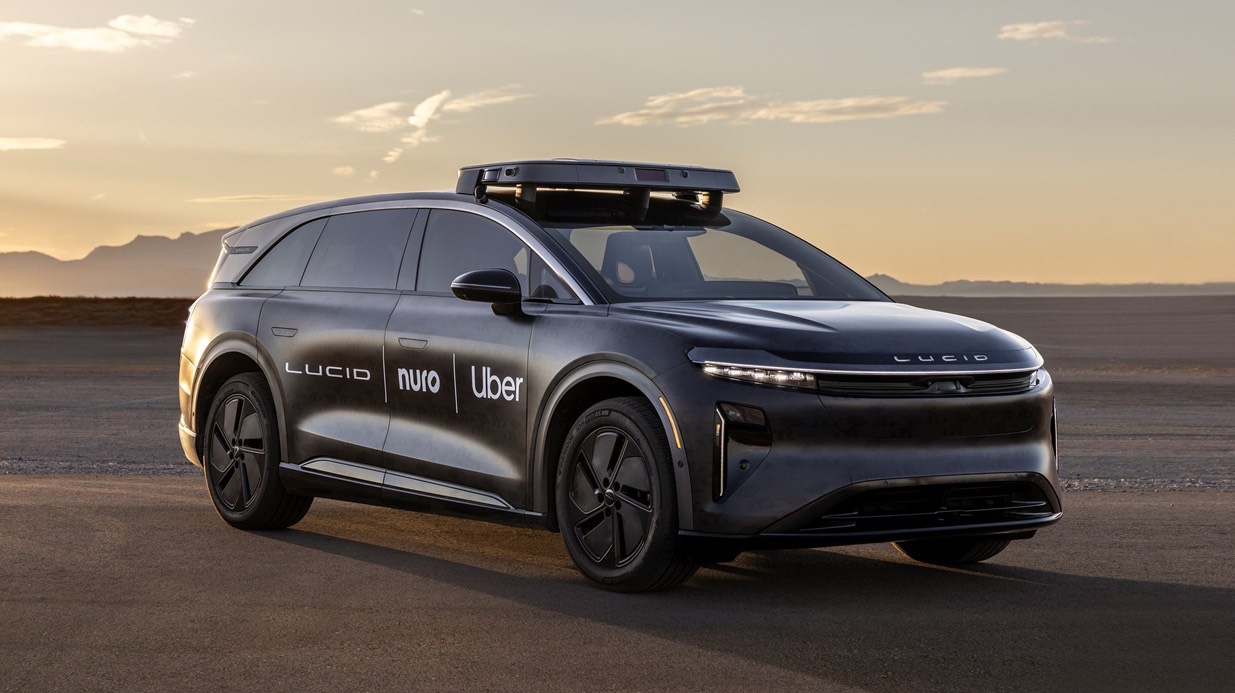
There’s also the Uber side of this to think about. Uber has more than 25 active AV partnerships right now. They cut a similar robotaxi deal with Lucid and Nuro. They’ve invested in Waymo. They put money into Waabi. Rivian is one bet in a very large hedge, which means if a competitor’s technology proves out faster, Uber has plenty of options. Rivian doesn’t have that same flexibility.
And the industry’s track record here is genuinely rough. Waymo is the only company that has actually made urban robotaxi service work at scale, and it took years of geofenced, heavily supervised testing before they got there. Every other player in this space has announced timelines that slipped, pivoted, or collapsed entirely. That history doesn’t mean Rivian fails, but it’s the baseline you have to measure against.
None of this means the deal is a bad idea. The hardware is real, the data strategy is smart, and locking in guaranteed demand for vehicles you were already planning to build is genuinely valuable. But the gap between a promising announcement and 10,000 driverless R2s navigating city streets is enormous, and a lot has to go right between now and 2028 to get there.
Rivian has earned some trust at this point. But trust and execution are two different things, and the robotaxi space has humbled a lot of companies that had both.



Jose, as always, you make excellent points. While Uber is placing several bets, given how smart Rivian has been in their deals so far, I cannot imagine them entering a deal that they didn’t believe they could deliver on. They are indeed putting a lot of pressure on the company to execute and deliver on its commitments. 🤞
Assuming Rivian achieves all of the disclosed goals, logic says that Uber will charge a higher rate for Robotaxi than Tesla. That is because the Uber offering is not vertically integrated while Tesla is integrated top-to-bottom. It’s doubtful that Uber will remain in business beyond 2030 which means they will not be ordering R2s beyond a certain point and therefore Uber will not be around to prop up Rivian.
There is a reason Uber is making these deals, to stay relevant. They want to hold the keys and be the rental company that connects vehicles and people.
Only Tesla is building the platform from within, everyone else has Uber on the books.
This doesn’t seem like a genuine comment. This seems to be coming from a Tesla stock holder/fan boy.
Your comment doesn’t seem like a genuine comment. This seems to be coming from a Tesla hater. 8^)
The interesting thing here is that Uber is investing real money on a bet that Rivian will start meeting a defined timeline to level 4 autonomy. Rivian is not just getting $300 million which is not all that much in terms of their annual spend, they are betting their reputation that they can meet the timeline.
RJ’s vision is a global Rivian. The stakes to accomplish that have changed, as it used to be outstanding vehicles in the traditional sense – outstanding hardware, reliability and good quality. The new stakes are not only that vehicles are software-defined, like Generation 2 Rivians, but also Levels 3 & 4 autonomy capable-defined Generation 3 Rivians. If the vision is a global Rivian, Rivian doesn’t really have a choice. It’s time to go all-in or fold, and RJ’s not folding. He placed a bet at least two years ago on custom chips, a Rivian software stack, and multimodal perception in order to build industry-leading autonomy capability. Adjusted EBITDA profitability is the natural outcome. RJ’s not backing down.